


May 20, 1976, 50 years ago, arrival at Orly of F-WTSA - Part 5
How the SA will replace WOODY.
As we have already presented in the previous article, here is a picture of the changes that have been put in place in the SA and its current state.

A quick reminder of the SNIAS drawing's title block.
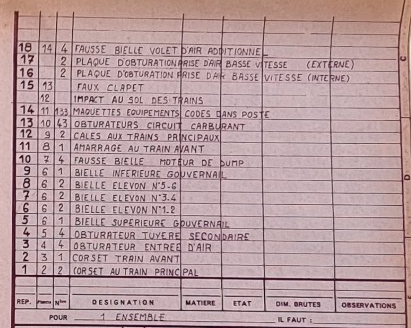
The three columns of this nomenclature, which we will detail below, will allow us to show visually, whenever possible, where work has been carried out on today's SA.
1st column: the small circle marker with the number on the overall plan.
3rd column: the number of pieces produced.
4th column: the designation of the assembly.
1 - 2 - Corset to the main landing gear
This brace prevents the shock absorber from bottoming out in the low position if the hydraulic pressure drops.
2 – 1 - Front train corset
3 - 4 - Air intake shutters

4 - 4 - Shutters at secondary nozzles
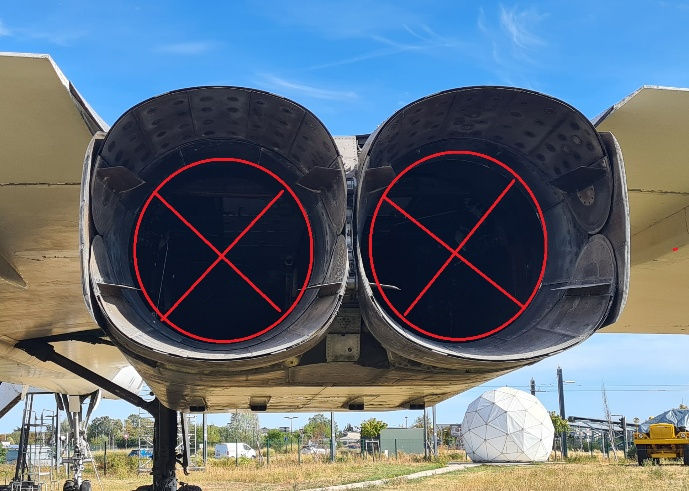
Today they are no longer in place to allow for nighttime lighting.
5 - 1 - Upper rudder connecting rod
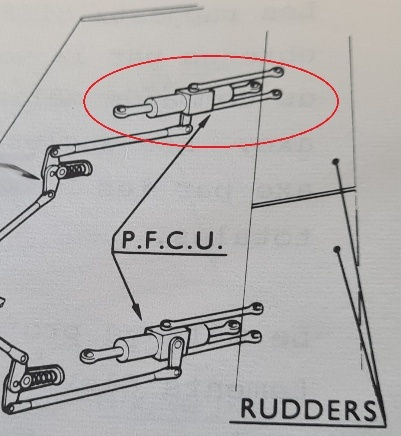
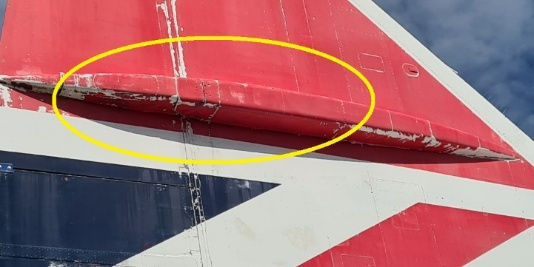
Located inside the fairings, the parts are not visible..
6 - 2 - Connecting rod, elevators #1 - 2
7 - 2 - Connecting rod, elevators #3 – 4
8 - 2 - Connecting rod, elevators #5 – 6

9 - 1 - Lower rudder connecting rod
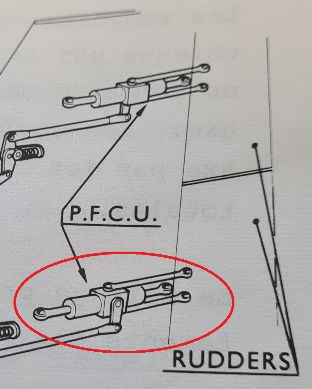
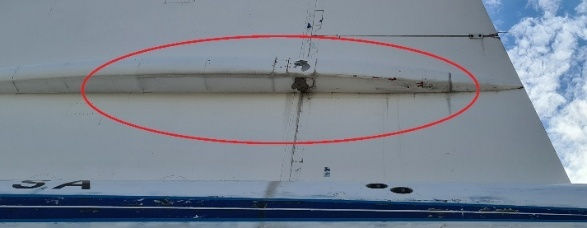
Located inside the fairings, the parts are not visible.
10 - 4 - Dummy connecting rod for dump doors

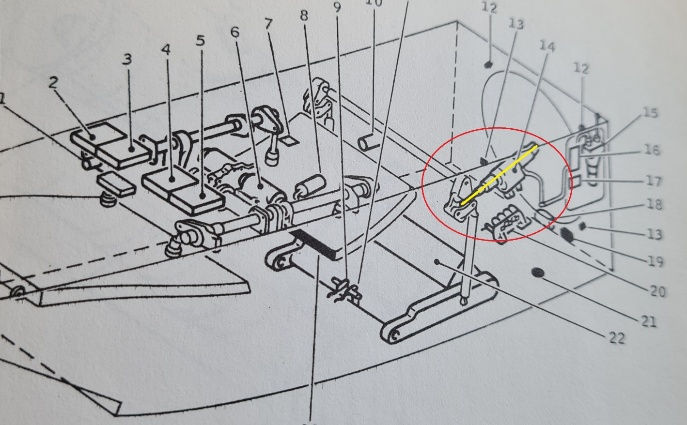
Located inside the gondola, the parts are not visible.
11 - 1 - Attachment to nose landing gear
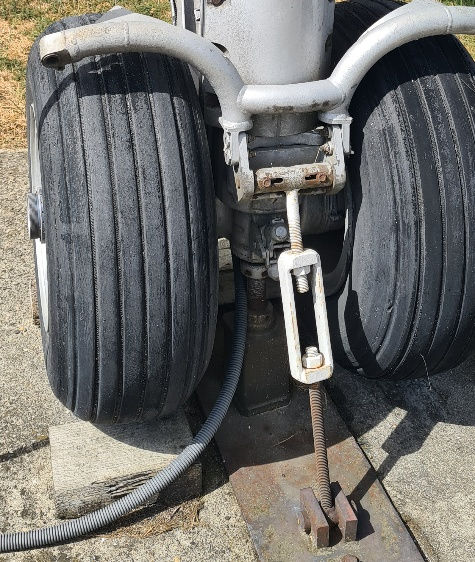
12 - 2 – Cales aux trains principaux
13 - 43 - Fuel circuit shutters in the various propulsion and fuselage parts.
Not visible, as they are located within the various sections of the propulsion system and the fuselage.
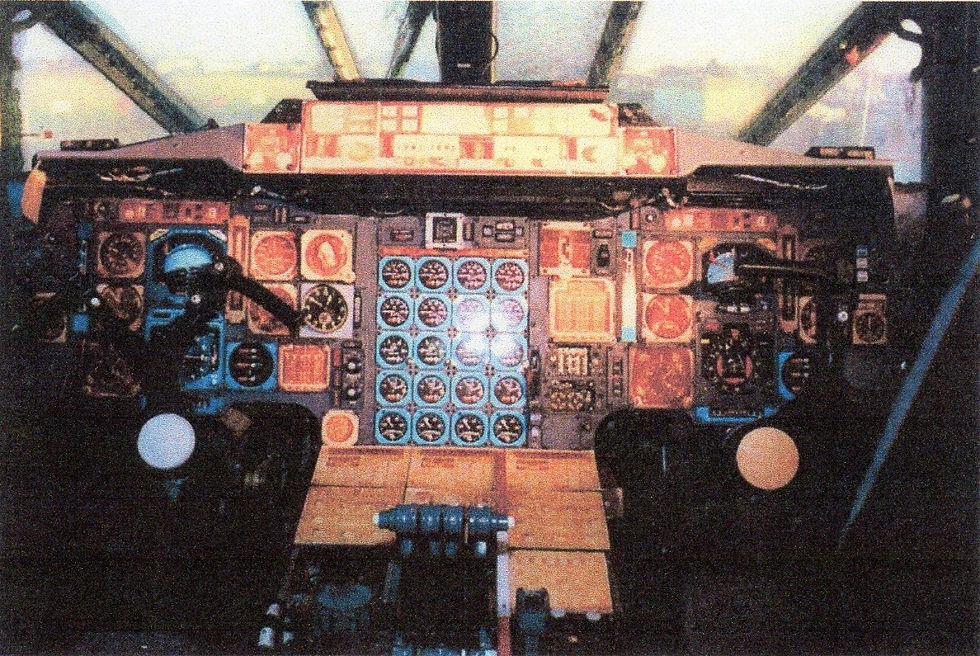
14 - 133 - Model equipment codes in the pilote station
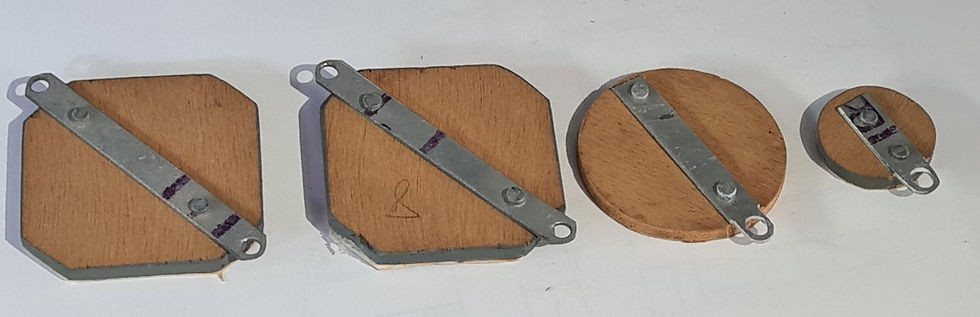
Since 1988, the museum teams have systematically replaced almost all of the SNIAS full scale plates and, when possible, replaced Concorde instruments or modified lambda instruments.
The cockpit looked like this a few years after arriving at the museum.
A small selection of plates produced by SNIAS: simple but effective.
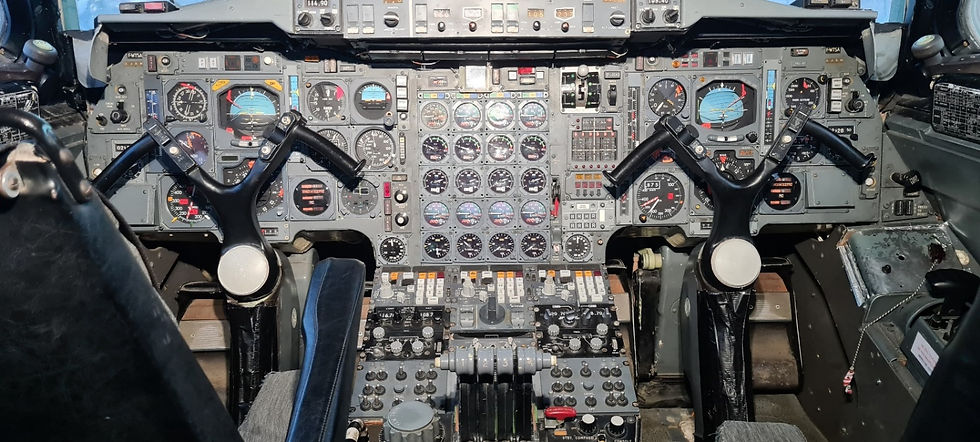
Some were replaced by original instruments (unfortunately too rarely because they are offered at unaffordable prices or are unavailable), some coming from other aircraft and sufficiently resembling the originals.
The front dashboard for the pilot and co-pilot looks like this today.
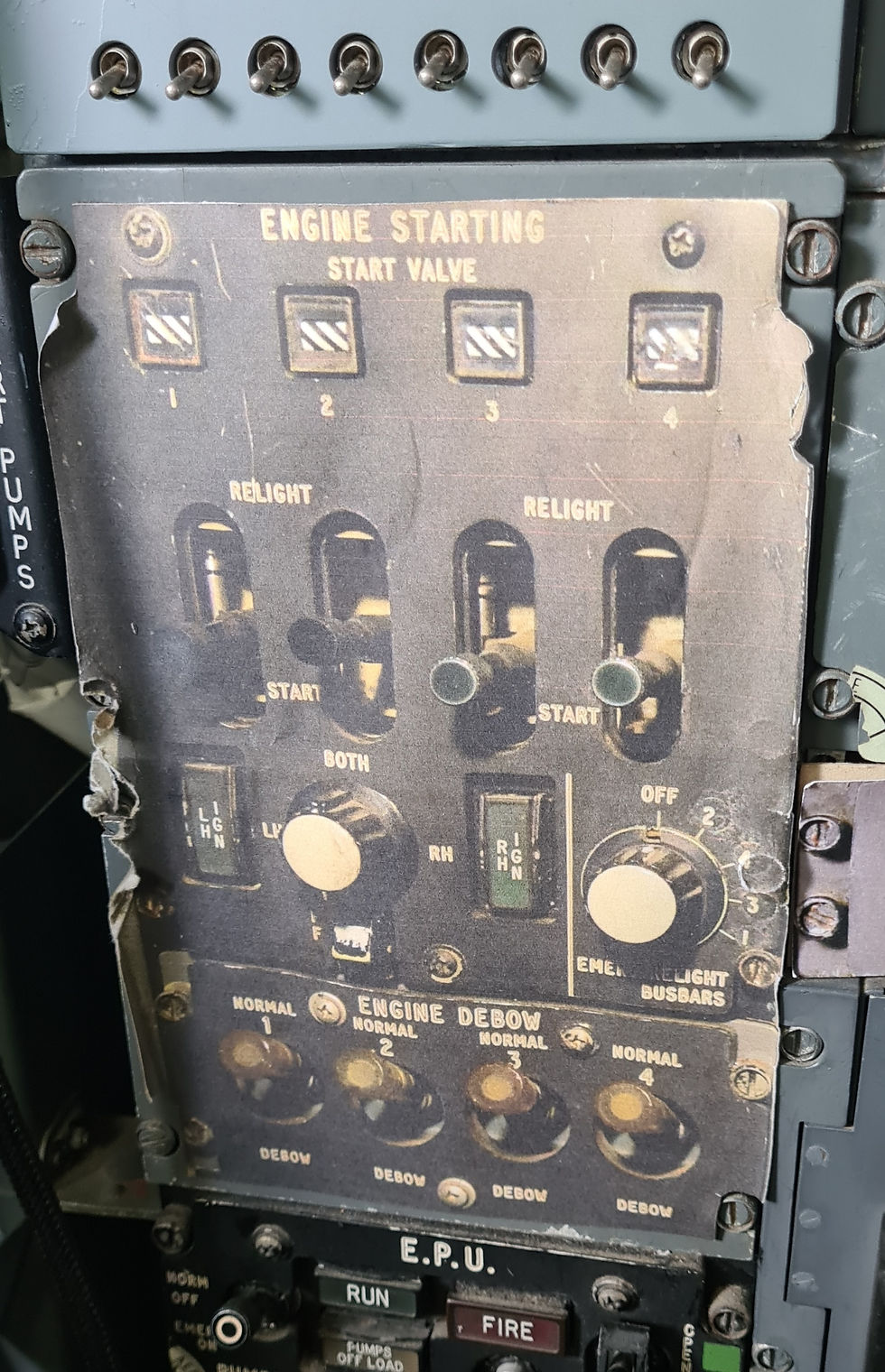
On the flight engineer's panels, a few of the original photographs still remained a few years later, but wherever possible, original or modified instruments had replaced the photographs.


The two photos above have been replaced below by these beautiful 3D creations by Grégoire.
The changes are still ongoing:

Here the first plate of the SNIAS.

Side by side an original part and an old SNIAS part modified by the button redesigned and 3D printed by Tamas.
But today, some plates can still be found, as shown in the images above, which are truly impossible to find, but the search continues…
15 - X – False flap
16 - 2 – Low-speed air sealing plate (internal)
17 - 2 – Low-speed air shut-off plate (external)

18 - 4 – Dummy connecting rods for additional air flap
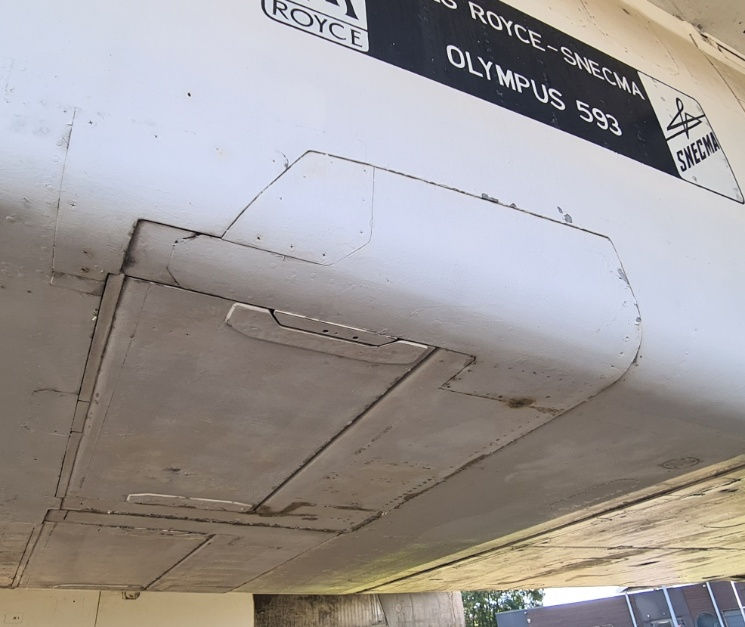
Inside the nacelle, the part is not visible.
Following this list, here is a new letter from Mr. PATILLAULT dated August 18, 1976, from the ADP archives. In it, we discover new details on the costs and details on the work carried out in the SA.

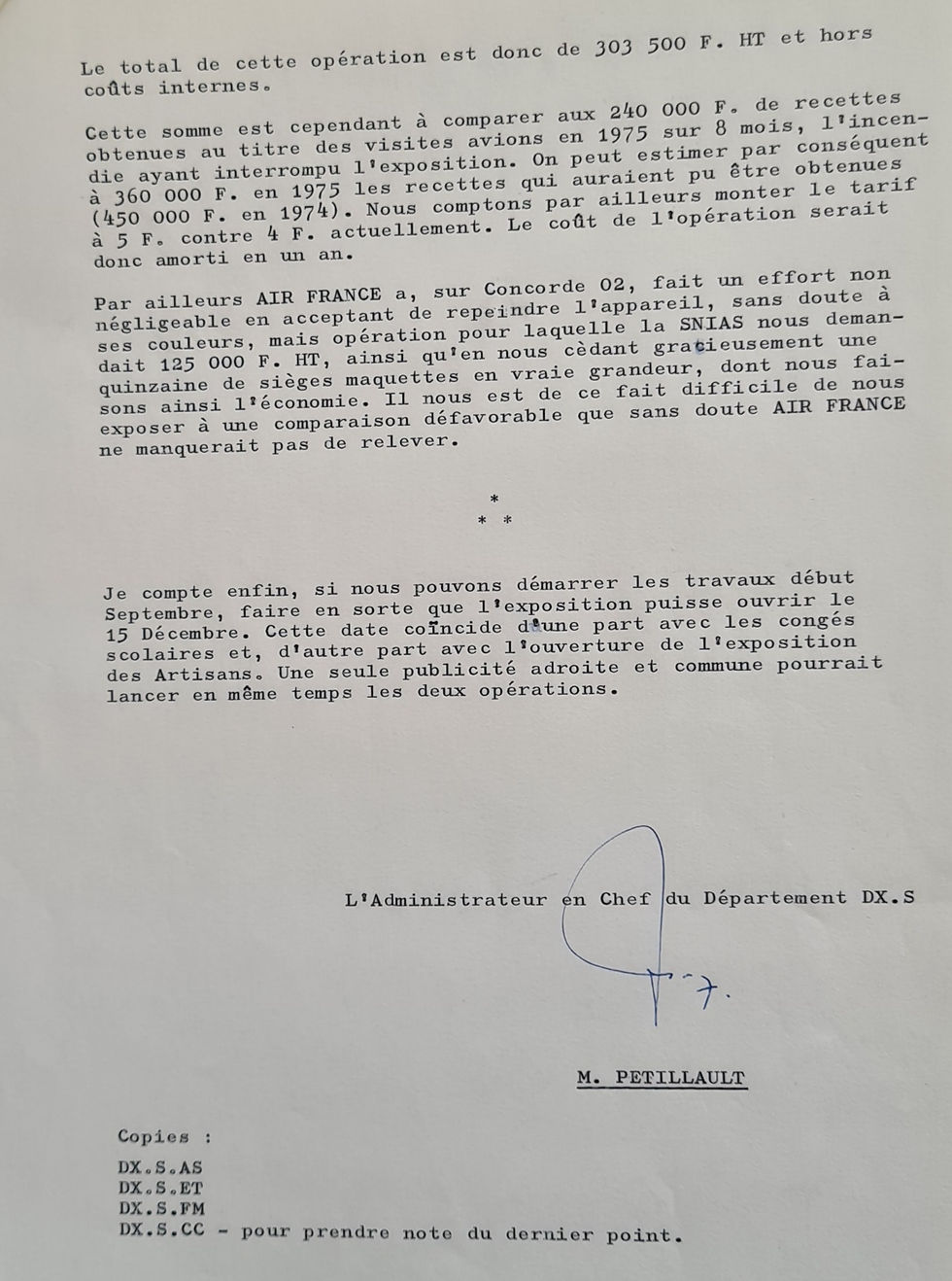
Translation for our English-speaking readers
Subject: CONCORDE 02 REFURBISHMENT
The following four expenditure items were planned:
Interior fittings 265,000 F.
Electrical equipment 36,000 F.
Air conditioning 50,000 F.
Sound system 20,000 F.
Total: 371,000 F. (excluding VAT)
After reviewing these budgets with the relevant departments, it appears:
1/ INTERIOR FITTINGS
The program was kept as tight as possible to ensure a merely adequate presentation of the aircraft. The quality of materials was chosen based on resistance to wear and tear, rather than for luxurious aesthetics.
The cost to the company breaks down into 19,500 F for various dismantling and cleaning work, and 201,500 F for the actual installation, for a total external cost excluding tax of 221,000 F.
2/ SOUND SYSTEM
The various requested salvage costs reduce this to 1,500 F. excluding tax, including 900 F. for the purchase of loudspeakers.
3/ ELECTRICAL EQUIPMENT
The cost of this item, already very tight, was deemed unavoidable by DX.S.FM, which included the work done by the company and the sound system wiring for a total of 36,000 F (excluding VAT).
4/ AIR CONDITIONING
The existing self-contained unit from the model was also salvaged. The removal, construction, and installation of the equipment ports on Concorde 02 are estimated at 45,000 F (excluding VAT).
The total cost of this operation is therefore 303,500 F (excluding VAT and internal costs).
This sum should, however, be compared to the 240,000 F in revenue obtained from aircraft visits in 1975 over 8 months, as the fire interrupted the exhibition. We can therefore estimate the potential revenue for 1975 at 360,000 francs (450,000 francs in 1974). We also plan to raise the admission price to 5 francs, compared to the current 4 francs. The cost of the operation would thus be recouped within a year.
Furthermore, Air France has made a significant effort regarding Concorde 02 by agreeing to repaint the aircraft, presumably in its own colors, an operation for which SNIAS was asking 125,000 francs excluding VAT. They have also provided us with about fifteen full-size mock-up seats, which we are thus saving money on. It is therefore difficult for us to avoid an unfavorable comparison, which Air France would undoubtedly seize upon.
Finally, if we can begin work in early September, I intend to ensure that the exhibition can open on December 15th. This date coincides both with the school holidays and with the opening of the Artisans' Exhibition. A single, direct, and unified advertisement could launch both events simultaneously.
Despite all the information above, we still don't have concrete answers to all our questions.
Our search continues…
Coming up in our next article we will finally talk about the arrival of the SA at the P7 parking at Orly airport to replace WOODY.


Commentaires